


Modernizing a Complex Legacy Application for a Leading U.S. Technology Foundry
Modernizing a Complex Legacy Application for a Leading U.S. Technology Foundry

Industry: Advanced Manufacturing & Semiconductor Foundry
Service: Legacy Application Modernization & Enterprise Software Development
Tech Stack: Modern Web Technologies, API-Driven Architecture, Azure DevOps (for project management and CI/CD)
The Challenge
A prominent U.S.-based pure-play semiconductor foundry, recognized for its cutting-edge technology solutions and manufacturing discipline, relied on a massive legacy software system developed in C with over half a million lines of code. While the application had supported critical manufacturing and process operations for years, it was increasingly difficult to maintain, lacked scalability, and did not meet modern performance and usability standards.
The challenge was to fully modernize this complex system—preserving and accurately translating intricate business logic embedded in legacy code—while delivering a scalable, maintainable, and user-friendly application aligned with today's enterprise software standards.
Our Approach: Deep Domain Expertise & Proven Modernization Process
Successful modernization of such a large and mission-critical system required more than just technology upgrades. It demanded a thorough understanding of the legacy codebase and the manufacturing domain it supported.
- Legacy Code Analysis & Domain Ramp-Up:
Our experienced C developers meticulously analyzed the legacy code to extract and document the embedded business logic and process workflows. This analysis formed the foundation of a comprehensive wiki capturing detailed requirements and domain knowledge, accessible to the entire development team. This step was critical to ensure the new system faithfully represented complex manufacturing operations and process controls.
- Collaborative & Modular Development:
Using a modular architecture, our team developed the modern application in parallel streams, minimizing conflicts and accelerating delivery. The modular design also improved maintainability and scalability.
- Enterprise-Grade Software Engineering:
We applied best practices in professional software development, including rigorous code reviews, automated testing, and continuous integration and delivery pipelines. While Azure DevOps was employed as a tool to manage workflows, code repositories, and automation, the core value lay in our disciplined execution process and quality standards.
- User-Centric Interface Design:
The new system features consistent, intuitive user interfaces with tailored controls and guided workflows that simplify complex manufacturing tasks, enhance productivity, and reduce training time.
- API-Driven Architecture:
We implemented a flexible API-based backend enabling seamless integration across multiple user interfaces and devices, ensuring adaptability for future technology evolution.
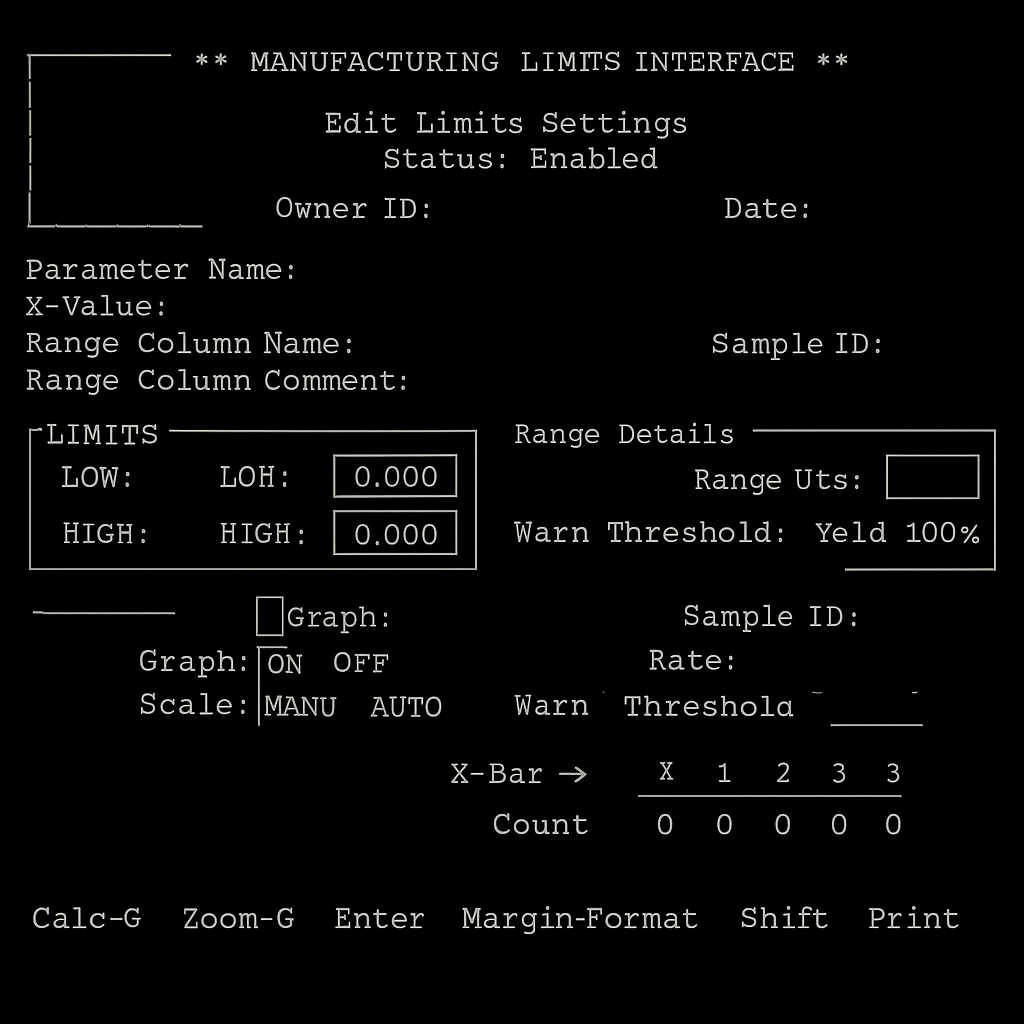
The Process
Implementation Highlights
- Created a detailed knowledge base from legacy code analysis to guide modern development.
- Adopted a modular approach allowing simultaneous development by multiple teams.
- Automated build, test, and deployment processes to ensure quality and speed.
- Delivered a modern, responsive UI aligned with the specific needs of manufacturing users.
- Ensured cross-platform compatibility and robust security through modern web standards.
Results & Impact
- Comprehensive Modernization: Transformed a complex legacy system into a scalable, maintainable, and high-performance enterprise application.
- Domain Accuracy: Preserved and enhanced critical manufacturing logic through deep legacy code understanding and documentation.
- Improved User Experience: Streamlined workflows and consistent UI reduced complexity and increased operational efficiency.
- Accelerated Development: Modular design and disciplined processes enabled faster feature delivery with fewer errors.
- Future-Ready Architecture: API-driven design supports integration with evolving technologies and devices.
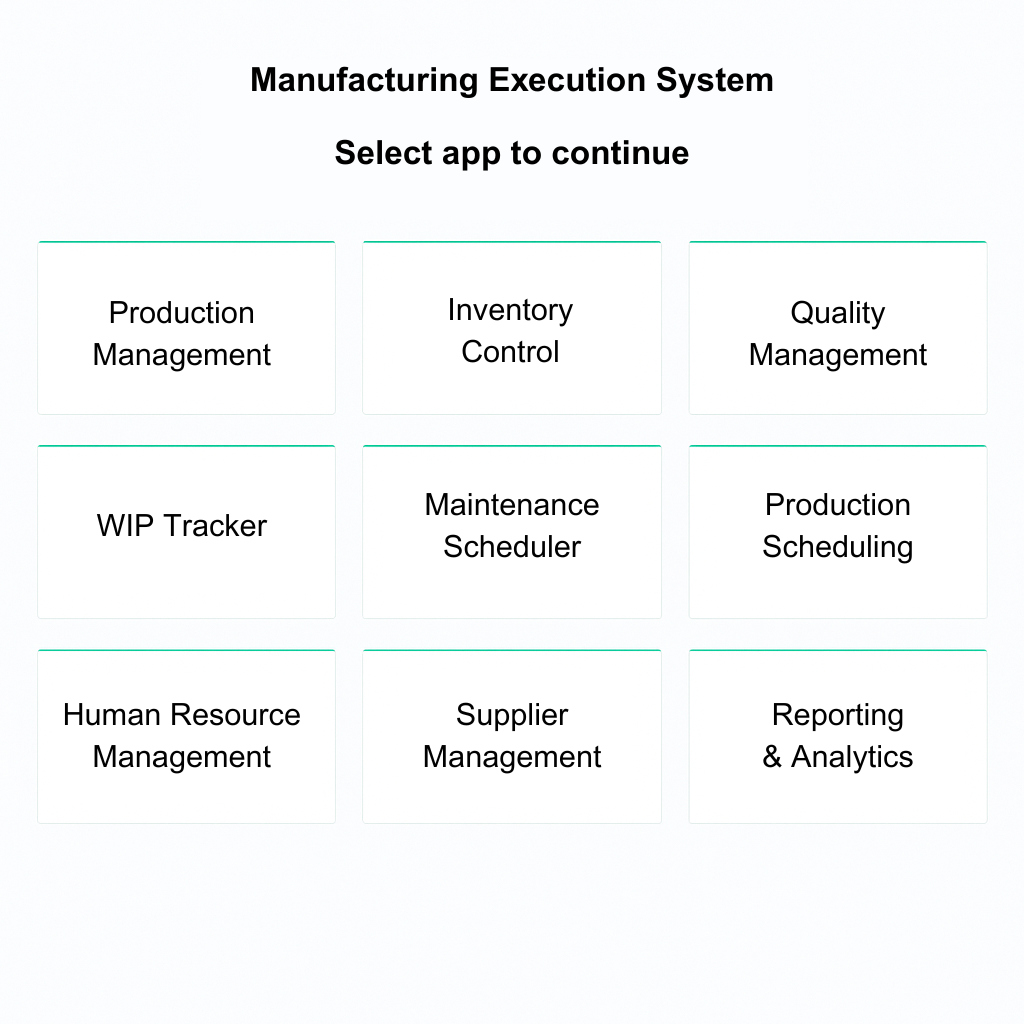
The Results
Client Feedback
"Our legacy system was a black box of critical manufacturing processes. This team's ability to deeply understand the legacy code and translate it into a modern, efficient solution was exceptional. The new system is not only easier to maintain but empowers our users with a streamlined experience. Their proven process and domain expertise made all the difference."
Ready to Modernize Your Legacy Systems with Confidence?
Modernizing complex legacy applications requires more than just coding—it demands domain expertise, meticulous analysis, and a proven execution framework. Contact us to learn how our expert teams can help you transform your enterprise software landscape while preserving your critical business logic.